
Owning property in British Columbia can be a smart long-term investment — but leaving it vacant can be costly.
If you’re an overseas landlord, foreign investor, or non-resident property owner, understanding Canada’s vacancy-related taxes is no longer optional. Between federal, provincial, and municipal vacancy taxes, many non-resident owners are surprised by unexpected penalties, annual declarations, and compliance requirements.
At Orca Realty, we work closely with international and non-resident clients to protect their investments while ensuring full compliance with BC housing regulations.
This guide explains — in simple terms — how the Speculation and Vacancy Tax (SVT) works in British Columbia, how it differs from other vacancy taxes, and how overseas owners can legally reduce or eliminate their tax exposure.
What Is the Speculation and Vacancy Tax in BC?
The Speculation and Vacancy Tax (SVT) is a provincial annual tax introduced by the Government of British Columbia to discourage residential properties from sitting empty.
In simple terms:
It’s a yearly tax on certain homes that are left vacant or not used as a principal residence, especially those owned by foreign owners or investors, to encourage rental use and increase housing supply for BC residents.
The tax applies even if the property is rarely used, and every owner must file a declaration each year, regardless of whether tax is owed.
Official government reference:
https://www2.gov.bc.ca/gov/content/taxes/speculation-vacancy-tax
Who Does the Speculation and Vacancy Tax Apply To?
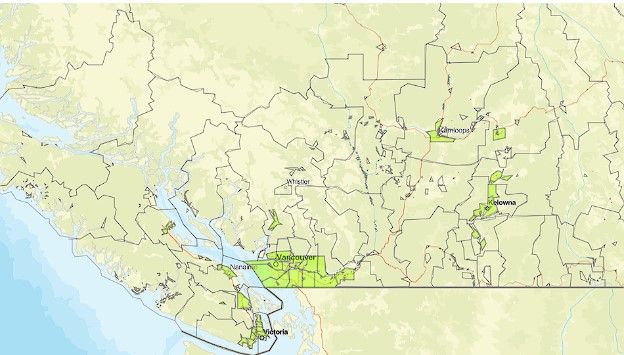
The tax applies to residential properties located in designated taxable areas of BC, including:
- Metro Vancouver
- Fraser Valley
- Capital Regional District (Greater Victoria)
- Kelowna and surrounding regions
- Nanaimo, Lantzville, and other growing markets
Owners most affected include:
- Foreign nationals
- Non-resident Canadians
- Overseas investors
- Owners who do not live in BC full-time
If you live outside Canada or only occupy your property occasionally, your property may be considered vacant or underused — even if that wasn’t your intention.
How Much Is the Speculation and Vacancy Tax?
The tax rate depends on your residency status:
Current SVT Rates:
- Foreign owners & satellite families: up to 2% of assessed property value
- Canadian citizens or permanent residents not living in BC: typically 0.5%
- BC residents: usually exempt if property is a principal residence
For overseas owners, that 2% can translate into tens of thousands of dollars per year — on top of property taxes, strata fees, and maintenance costs.
Key Exemptions Overseas Owners Should Know About
Many overseas landlords assume they automatically owe the tax — but that’s not always true.
You may be fully or partially exempt if:
- The property is rented for at least 6 months of the year (minimum 30-day rentals)
- The property is your principal residence
- The property is undergoing major renovations
- You are in medical care or specific life circumstances
- The property is located in certain non-taxable zones
⚠️ Important: Exemptions are not automatic. You must still declare annually and provide documentation if requested.

Federal vs Provincial vs Municipal Vacancy Taxes — What’s the Difference?
Many overseas owners don’t realize they may be subject to multiple vacancy-related taxes.
Federal: Underused Housing Tax (UHT)
- 1% annual tax on underused or vacant residential properties
- Applies nationwide
- Designed to discourage foreign ownership of empty homes
- Proposed changes may eliminate UHT starting 2025, but filings are still required for prior years
Provincial: Speculation and Vacancy Tax (BC)
- Applies only in designated BC regions
- Targets empty homes owned by foreign or non-resident owners
- Requires annual declaration, even if exempt
Municipal: Empty or Vacant Home Taxes
- City-specific taxes (e.g., Vancouver Empty Homes Tax)
- Separate declarations and penalties
- Can stack on top of provincial and federal taxes
Yes — some properties can be subject to all three.
Why Overseas Owners Are Most at Risk
Non-resident landlords face higher risk because of:
- Missed declaration deadlines
- Unfamiliar tax rules
- Lack of local representation
- Incorrect rental documentation
- Unintentional vacancy status
Penalties for late or incorrect filings can be severe — even if no tax was originally owed.
This is where professional property management becomes essential, not optional.

How Orca Realty Helps Overseas & Non-Resident Landlords
At Orca Realty, we specialize in helping international and non-resident property owners navigate BC’s complex housing regulations.
Our services include:
- Ensuring your property meets rental exemption requirements
- Managing long-term compliant tenancies
- Providing occupancy documentation for tax filings
- Coordinating with accountants and legal professionals
- Protecting your property while maximizing rental income
Instead of leaving your investment idle — and taxable — we help turn it into a fully compliant income-producing asset.
Why Renting Is Often the Smartest Strategy
For most overseas owners, renting the property long-term is the most effective way to:
- Avoid or reduce vacancy taxes
- Generate consistent rental income
- Maintain property condition
- Stay compliant with BC housing laws
Professional management ensures:
- Proper tenant screening
- Legal lease agreements
- Local representation
- Peace of mind while living abroad

Final Thoughts: Protect Your Investment in BC
BC’s housing tax landscape is evolving — and overseas owners are under increasing scrutiny.
Understanding the Speculation and Vacancy Tax, federal rules, and local bylaws is critical to protecting your real estate investment.
With the right strategy and a trusted local partner, foreign and non-resident owners can remain compliant, avoid unnecessary taxes, and enjoy strong long-term returns.
The Hidden Costs of Leaving a Property Vacant
Many overseas landlords underestimate the true cost of vacancy:
- Speculation & Vacancy Tax (up to 2% of assessed value)
- Higher home insurance premiums for vacant properties
- Increased risk of damage, leaks, or unnoticed maintenance issues
- Municipal empty home taxes (where applicable)
- No rental income to offset ownership expenses
- Greater scrutiny from tax authorities
By contrast, a professionally managed rental is often classified as actively used housing, unlocking exemptions, lower insurance costs, and income generation.
Comparison: Renting With Orca Realty vs Leaving Your Property Vacant
Here’s a clear comparison to help overseas landlords understand the financial and legal difference:
| Factor | Luxury Property Management with Orca Realty | Vacant Property (No Property Management) |
| Speculation & Vacancy Tax | Often eliminated or reduced by meeting rental-use exemptions | Up to 2% of assessed value annually |
| Federal Underused Housing Tax (UHT) | Reduced exposure through active rental use (subject to federal rules) | 1% annual tax (where applicable) |
| Municipal Vacancy Taxes | Typically avoided when rented long-term | Applied annually in certain cities |
| Home Insurance Premiums | Lower premiums for occupied, managed homes | Higher premiums for vacant properties |
| Rental Income | Consistent monthly income offsets ownership costs | $0 income while costs continue |
| Property Oversight | Regular inspections & professional maintenance | Risk of undetected damage or deterioration |
| Legal Compliance | Lease terms aligned with BC tenancy laws | Higher risk of non-compliance |
| Tenant Management | Fully handled by Orca Realty | Not applicable — no income benefit |
| Peace of Mind (Overseas Owners) | Local experts managing your asset | Stress, risk, and uncertainty |
| Long-Term Asset Protection | Property remains active, maintained, and market-ready | Vacancy can reduce property condition & value |
One Often-Overlooked Benefit: Lower Insurance Costs
One major advantage many overseas owners don’t realize:
Vacant homes often carry significantly higher insurance premiums — or stricter coverage limitations.
Insurance providers typically view vacant properties as higher risk due to:
- Undetected water leaks
- Fire hazards
- Vandalism or break-ins
- Delayed emergency response
With professional luxury property management through Orca Realty, your property is:
- Actively occupied
- Regularly inspected
- Professionally maintained
This often results in more favorable insurance terms and lower premiums, adding yet another layer of savings.
Why Orca Realty Is Different for Overseas Landlords
Not all property management companies are built for international and non-resident clients.
Orca Realty offers luxury-level service designed specifically for high-value homes and overseas owners, including:
- Expertise in BC vacancy tax compliance
- High-quality tenant placement for premium properties
- Detailed documentation to support tax exemptions
- Local presence for emergencies and inspections
- Transparent reporting while you’re abroad
- Protection of both income and asset value
We don’t just manage properties — we manage risk, compliance, and long-term returns.
Vacancy Is Expensive. Management Is Strategic.
For overseas property owners, leaving a home empty isn’t neutral — it’s often the most expensive option.
Luxury property management with Orca Realty transforms your property from:
- A vacant, taxable liability
- Into a compliant, income-producing investment
Final Takeaway for Overseas & Non-Resident Owners
If you own property in British Columbia and live abroad, the smartest move is rarely to leave it vacant.
Between:
- Provincial Speculation & Vacancy Tax
- Federal underused housing rules
- Municipal vacancy bylaws
- Higher insurance costs
Professional management isn’t an expense — it’s a financial safeguard.
Ready to Protect Your BC Investment?
If you’re an overseas landlord or non-resident property owner, Orca Realty can help you:
- Reduce vacancy-related taxes
- Lower insurance costs
- Stay compliant with BC regulations
- Generate reliable rental income
Contact Orca Realty today and let your property work for you — even while you’re abroad.
Frequently Asked Questions (FAQs) – Speculation and Vacancy Tax BC
1. What is the Speculation and Vacancy Tax (SVT) in British Columbia?
The Speculation and Vacancy Tax (SVT) is a provincial annual tax that applies to certain residential properties in designated areas of BC that are left vacant or not used as a principal residence.
For foreign owners and non-resident investors, the tax can be up to 2% of the property’s assessed value per year. Its goal is to encourage rental use and make more housing available for people living in BC.
2. Who has to pay the SVT in BC?
The tax mainly affects:
- Foreign nationals who own property in BC
- Non-resident Canadians who live outside the province
- Overseas investors who leave their properties vacant
Even if you qualify for an exemption, all owners must file an annual declaration to the government.
3. Are there exemptions for overseas property owners?
Yes, some exemptions include:
- The property is rented for at least six months of the year in 30+ day rental agreements
- The property is your principal residence
- Major renovations are underway
- You have specific medical or life circumstances
Exemptions are not automatic — you must submit proper documentation.
4. How can foreign owners reduce or avoid the vacancy tax?
The most reliable strategies for overseas landlords include:
- Renting the property long-term with proper documentation
- Using a local property management company, like Orca Realty, to handle leasing and compliance
- Filing accurate annual declarations with the government
Professional management ensures your property meets rental exemptions and stays compliant even while you live abroad.
5. How is the SVT different from the federal Underused Housing Tax (UHT)?
- SVT: Provincial BC tax targeting empty homes in certain areas
- UHT: Federal 1% annual tax on underused or vacant residential properties across Canada
Some overseas owners may be subject to both taxes, depending on property usage. Proposed federal changes may eliminate the UHT starting in 2025, but prior filings are still required.
6. What happens if I fail to file my vacancy tax declaration?
Failing to file can lead to:
- Automatic taxation of your property
- Penalties and interest
- Increased government scrutiny
Even if your property qualifies for an exemption, not filing is considered non-compliance. Local property management can help avoid missed deadlines.
7. Can renting my property lower my insurance costs?
Yes. Vacant properties are considered higher risk, often resulting in:
- Higher premiums
- Limited coverage
- Stricter policy terms
A professionally managed and occupied rental property is considered lower risk, potentially reducing insurance costs while keeping your investment safe.
8. Why should foreign investors hire a property management company in BC?
For overseas owners, a property management company:
- Ensures legal compliance with BC tenancy laws
- Manages tenant placement and lease agreements
- Maintains the property and handles inspections
- Prepares documentation for tax exemptions
- Provides peace of mind while you live abroad
Partnering with a trusted local property management company like Orca Realty ensures your property is income-generating, protected, and fully compliant: Orca Realty Landlord Services
9. Can municipal vacancy taxes affect my property?
Yes. Some cities, like Vancouver and Toronto, impose local empty home or vacant property taxes. These are separate from the provincial SVT and federal UHT and can apply on top of them. Proper documentation and renting can often help avoid these additional municipal taxes.
10. What’s the best strategy for overseas owners to stay compliant?
The best approach is a combination of:
- Long-term rental use (at least six months per year)
- Professional property management to handle tenants, compliance, and documentation
- Timely and accurate filing of SVT and other vacancy-related declarations
This strategy minimizes taxes, reduces risk, and maximizes rental income, making your property a productive, compliant investment.
Great experience with Orca - Kimia was my property manager and she was very professional and easy to work with. Highly recommended 👍
Jennifer K.
Latest Post -








Contact Us
Ready to grow your rental business? Contact our team today for expert property management support.