
Key Takeaways
Check permissions first: Confirm the municipal licence and any strata obligations before advertising.
Make the home safe: Test required alarms, correct hazards and arrange suitable insurance.
Prepare the records: Gather ownership documents, a tenancy agreement and inspection forms.
Screen consistently: Set lawful criteria before reviewing applications or arranging the tenancy.
Renting out a Vancouver home begins well before the first viewing. Licensing, safety, insurance and paperwork need attention before photos go online. Tackling them in order prevents an unfinished task from disrupting the next one.
At Orca Realty, we help Vancouver-area owners prepare rentals for the market. Use this checklist to track what must be ready before the first showing, then finish tenancy-specific documents before move-in.
Get Your Rental Preparation Questions Answered.
Step 1: Confirm Licensing and Strata Requirements
Start with the address, ownership records and municipality. In the City of Vancouver, most owners renting a home for at least 90 days need a long-term rental business licence, even when using a manager.
Check that any secondary suite has the necessary approvals. A property in Burnaby or North Vancouver follows its own city's requirements, not Vancouver's. Confirm the applicable rules before posting an advertisement.

For strata properties, obtain the current bylaws and rules. B.C. generally prohibits strata bylaws restricting long-term rentals, but lawful age-related occupancy rules and strata obligations may still apply.
Prepare the required Notice of Tenant's Responsibilities, commonly called Form K, for the prospective tenant. A homeowner becoming an accidental landlord should also check ownership and mortgage documents before committing to a tenancy.
Step 2: Complete Safety Checks and Update Insurance
Walk through the property with the lights on and water running. Test locks, windows, faucets, heating, appliances and ventilation. Inspect under sinks for leaks and look for moisture near exterior walls.
Repair known hazards before welcoming viewers. B.C.'s fire safety rules require smoke alarms in dwelling units. Test them and check whether carbon monoxide alarms are appropriate for the building.
Contact your home insurer and explain the proposed rental use. Confirm whether your policy needs to change, what liability and loss-of-rent coverage may be available, and when the revised coverage takes effect.
Do not leave repairs for the first tenant to discover. Overlooking maintenance is among the rental mistakes that can complicate showings and move-in. Keep dated records of completed work and alarm tests.
Put Your Vancouver Rental Checklist to Work.
Step 3: Gather Documents, Clean and Photograph
Create one folder for proof of ownership, strata documents where applicable, insurance confirmation and municipal licence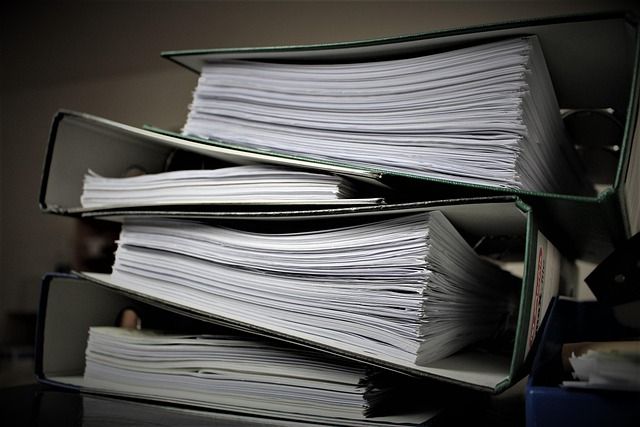 information. Include appliance instructions, keys and access details for the eventual tenant.
Draft a written tenancy agreement with the required B.C. terms. Prepare a blank move-in condition inspection report now; complete the actual joint inspection with the tenant at the proper time, not before advertising.
Once repairs are finished, deep clean surfaces, remove belongings and photograph each room in daylight. Show the home's actual condition, storage, appliances and included outdoor areas without concealing defects.
If you plan to rent out a house, photograph any included yard or parking area as well. Match the listing description to what the tenancy agreement will actually provide.
Step 4: Set Screening Criteria Before Applications Arrive
Write down lawful, property-related criteria and use the same process for each applicant. Decide what references and income verification are reasonably necessary, then explain how personal information will be used.
Apply privacy safeguards to tenant screening. A credit check should not be automatic for every inquiry; assess necessity, obtain valid consent and limit collection to relevant information.
Keep applications secure and avoid decisions based on protected personal characteristics or lawful sources of income. With the showing schedule ready, review each advertisement for accurate rent, included services and possession details.
Step 5: Finalize Your Listing and Showing Plan
Compare the draft advertisement with your finished property checklist. Describe only available amenities, specify what rent includes and check that photographs match the repaired, cleaned space. Decide how showing requests will be scheduled.

Keep the application process separate from casual viewing inquiries. Have a secure method for receiving documents, and decide who will respond to questions about utilities, strata rules and the proposed possession date.
Set a document retention plan before applications arrive. Limit access, use secure storage and decide when unsuccessful applicants' records should be deleted.
Review the privacy commissioner's guidance documents before saving applicant records. When the licence, safety checks, insurance and listing details are ready, you can schedule the first showing with fewer unresolved questions.
Pre-Showing Checklist
Step | What to Gather or Complete | Deadline |
1. Permissions | Title, strata rules, licence and suite approvals | Before advertising |
2. Safety | Working alarms, repairs and testing records | Before showing |
3. Insurance | Rental-use confirmation and updated coverage | Before showing |
4. Presentation | Cleaning, photographs and accurate listing | Before advertising |
5. Leasing | Screening criteria, draft agreement and inspection form | Before applications |
Before the First Showing
Read through the checklist once more. If permission, safety or insurance remains unresolved, postpone the listing rather than promising a move-in date you cannot support.
At Orca Realty, we can help owners organize the preparation and next steps for a Vancouver rental. Keep the completed checklist with your property records.
Make Your First Showing Easier to Prepare.
Frequently Asked Questions About Vancouver Landlord Checklists
Do I Need Landlord Insurance to Rent Out My Home in Vancouver?
Tell your insurer before changing an owner-occupied home into a rental. A homeowners policy may respond differently once tenants occupy the property, and an insurer may require revised coverage or a separate landlord policy.
Ask about property damage, liability, deductibles and possible loss-of-rent protection.
Confirm when the new coverage begins and keep written evidence with your rental documents. Tenants' contents coverage is a separate matter. A licensed insurance broker can explain which policy and optional protections suit the property.
What Paperwork Should I Gather Before Listing?
Begin with ownership details, the municipal rental licence information and your insurer's confirmation. For a strata unit, add the current bylaws and rules and prepare the Notice of Tenant's Responsibilities for the future tenant.
Keep a draft tenancy agreement, a blank condition inspection report, appliance instructions and a consistent application form together.
The inspection report is prepared ahead of time but completed at move-in. Having a single organized folder makes it easier to answer questions without disclosing unnecessary personal information.
Do I Need Smoke Alarms Before the First Showing?
Yes. Smoke alarms are required in B.C. dwelling units, and landlords are responsible for having the required alarms operating before occupancy. Check placement, power supply, condition and the test function.
Replace damaged or expired units according to applicable rules and manufacturer instructions.
Carbon monoxide alarms are a separate consideration, particularly where fuel-burning equipment or an attached garage creates exposure risk.
Confirm any additional municipal or building-specific requirements. Record the testing date and correct defects before prospective tenants enter the home.
Can a Strata Corporation Stop Me From Renting My Unit?
B.C. legislation generally makes strata bylaws that restrict long-term residential rentals invalid. However, you still need the building's current bylaws and rules, and lawful age-restriction provisions may matter in particular strata developments.
The Strata Property Act also requires owners to provide certain documents to tenants and a signed notice to the strata corporation.
Verify the current form and deadlines with your strata manager. Short-term accommodation restrictions follow different rules and should not be confused with long-term tenancy requirements.
What Does Tenant Screening Involve?
Set written, lawful criteria before advertising. Collect only information reasonably necessary to assess the application, explain why it is requested and obtain consent where required.
Relevant references and employment or income verification may help establish whether the applicant can meet tenancy obligations.
A credit check is not an automatic requirement for everyone who inquires. Consider whether it is proportionate, obtain proper consent and protect any sensitive records you receive.
Apply criteria consistently without relying on protected personal characteristics or assumptions about applicants.
Finish the Checklist Before You Advertise.
Great experience with Orca - Kimia was my property manager and she was very professional and easy to work with. Highly recommended 👍
Jennifer K.
Latest Post -








Contact Us
Ready to grow your rental business? Contact our team today for expert property management support.